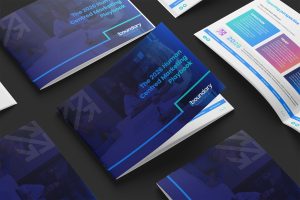


The first principle from our 2026 Human Centred Marketing Playbook, and why the brands cutting through in 2026 are the ones that feel built by people, not platforms.
Marketing has never had more tools available to it and the stack keeps growing, bringing something new to evaluate every quarter. For many businesses, the temptation is to lead with that capability; to talk about the systems behind the work, the platforms powering the campaigns, the technology shaping the strategy.
In 2026, that focus is increasingly invisible to the people on the receiving end. Buyers are not assessing your technologies when they decide whether to trust you. They are assessing how your brand sounds, how it behaves and whether it feels like there are real people behind it. What cuts through is not how advanced your systems are, but how human your brand feels.
This is the foundation of our human centred approach, and it is the principle that informs every other one in the playbook.
What leading with humanity actually means
This does not mean informal for the sake of it. It does not mean writing in a chatty voice, dropping the professional register or making everything feel casual. Plenty of brands have tried that, and it tends to age badly.
Leading with humanity means recognisable tone, clear intent and communication that sounds like it comes from a real person rather than a template. It means the reader can sense judgement behind the words, the brand has a point of view and expresses it with confidence, willing to sound like itself rather than like everyone else in the industry.
In B2B sectors particularly, this is where many brands fall short. The default is technical, cautious, and built around features and specifications while the opportunity lies in keeping the credibility and including the warmth.
In practice, this looks like:
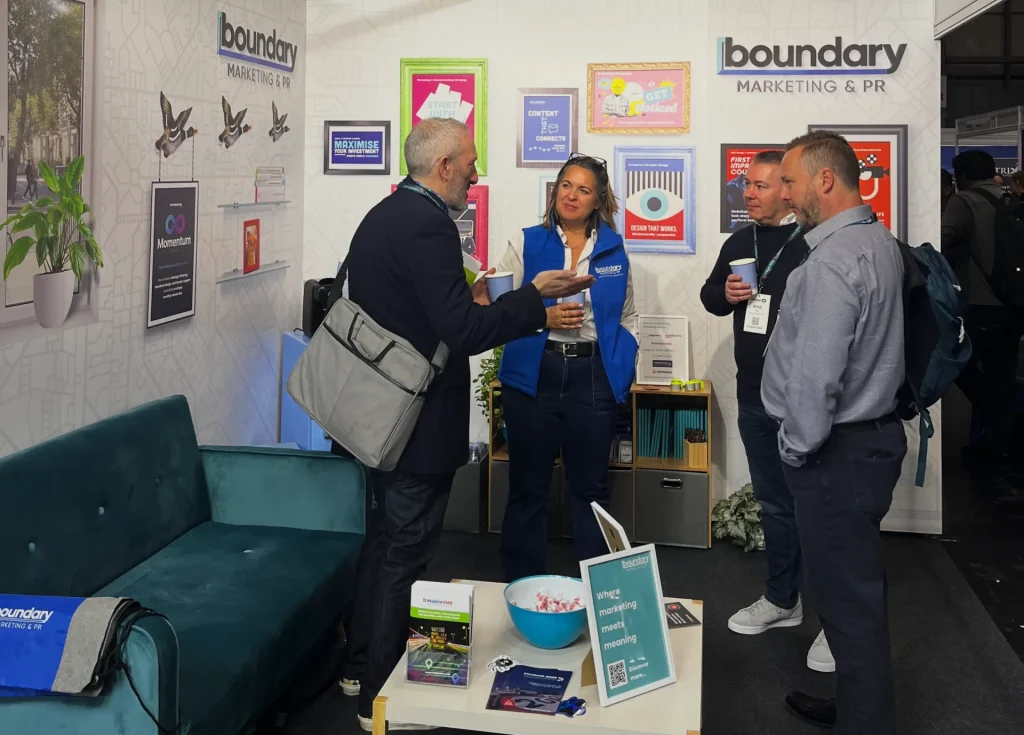
- Using real people in your stories rather than stock perfection. The case studies that resonate are the ones that show the engineer who solved the problem, the project manager who saw it through, the team that delivered late on a Friday so the client could open on Monday.
- Writing with clarity and confidence, not jargon. Industry language has its place but using it as a substitute for thinking through what you actually want to say is a missed opportunity. Clear writing demonstrates clear thinking.
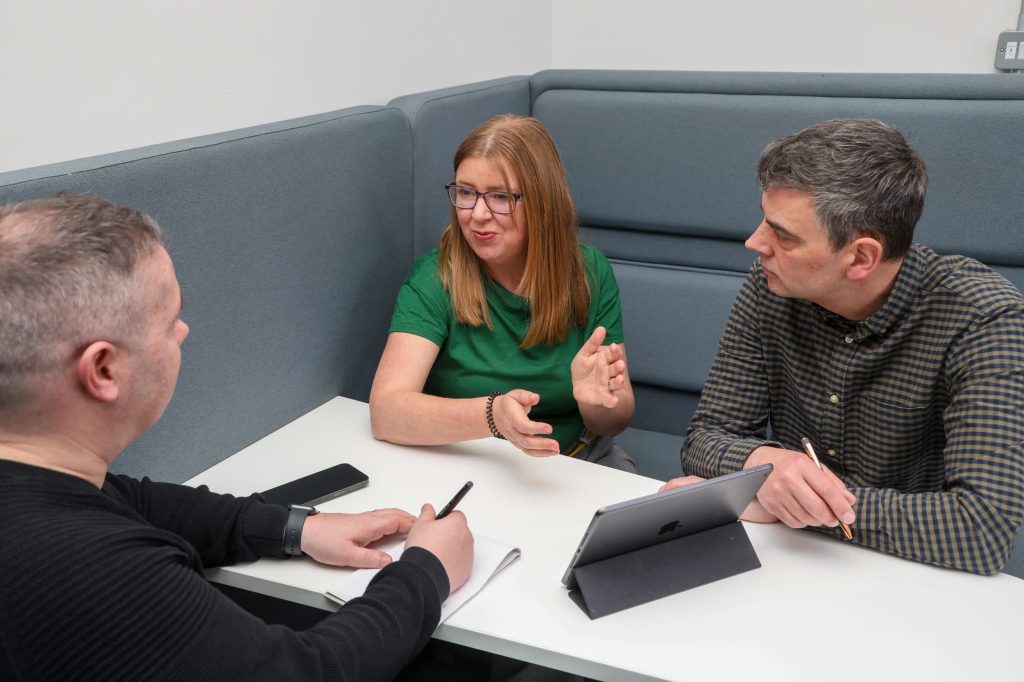
- Showing the human side of how work actually gets done. The conversations, the decisions, the moments where judgement mattered. This is the texture that distinguishes a brand from a brochure.
- Allowing personality to exist within professional boundaries. A recognisable voice is a strategic asset. It does not have to be loud, but it does have to be consistent and unmistakably yours.
Why this matters more for SMEs
For small and medium sized businesses, buying decisions are rarely about a single campaign or a single message. They are about confidence in the people behind the brand. A prospective client is not just evaluating whether you can do the work, they are working out whether they want to spend the next six, twelve or even twenty-four months in conversation with you.
That decision is made on the strength of how human your brand feels long before the first meeting. Every touchpoint contributes; the website copy, the LinkedIn posts, the email signature, the way you respond to a comment, the tone of your case studies. None of it sits in isolation.
This is also where SMEs have a structural advantage over larger competitors. There are fewer layers between the people doing the work and the people communicating about it. The voice can be more direct, more specific and more genuinely the company’s own. That advantage is worth protecting.
Where technology fits
None of this is an argument against technology. The tools available to marketing teams in 2026 are genuinely useful and using them well is part of running an efficient operation. The point is about sequence and visibility.
Use technology to improve efficiency and insight. Let it handle the analysis, the scheduling, the segmentation, the heavy lifting that frees your team up to think. But let humans do the talking. The judgement about what to say, how to say it and when to say it is where the value sits, and it is also what audiences respond to.
In a market that is increasingly full of automated noise – generic posts, templated emails, AI-written content with no point of view – warmth and personality win attention. The brands that lead with humanity create familiarity that creates trust. And trust creates the momentum that everything else in marketing depends on.
The takeaway
Leading with humanity is not a strategic choice, it shapes how prospects perceive you, how clients describe you and how your brand compounds over time. The technology behind your marketing should be quiet, the humanity in front of it should be unmistakable.
This is the first of eight principles in our human centred marketing playbook. The rest build on it – from how communities form around brands, to the role of consistency in credibility, to where AI genuinely earns its place. We will be working through each of them in this series.
Next in the series: Build communities, not audiences.
Get the 2026 Human Centred Marketing Playbook
In 2026, the challenge is no longer access to tools or tactics. It is earning attention, building trust and making clear, confident decisions in crowded markets.