

The third principle from our human centred marketing playbook, and why the brands building real preference in 2026 are doing it through moments, not messages.
People remember moments more than messages. As content becomes easier to produce, it also becomes easier to forget. The volume of marketing material in circulation has never been higher, and the half-life of any individual piece has never been shorter. What stays with people is not just how often you show up, but how you made them feel at the key points in the relationship.
That is why experience is becoming one of the most valuable channels a brand has. It is harder to scale, harder to outsource and harder to fake than any other form of marketing, and that is precisely what gives it its weight.
What experience actually means here
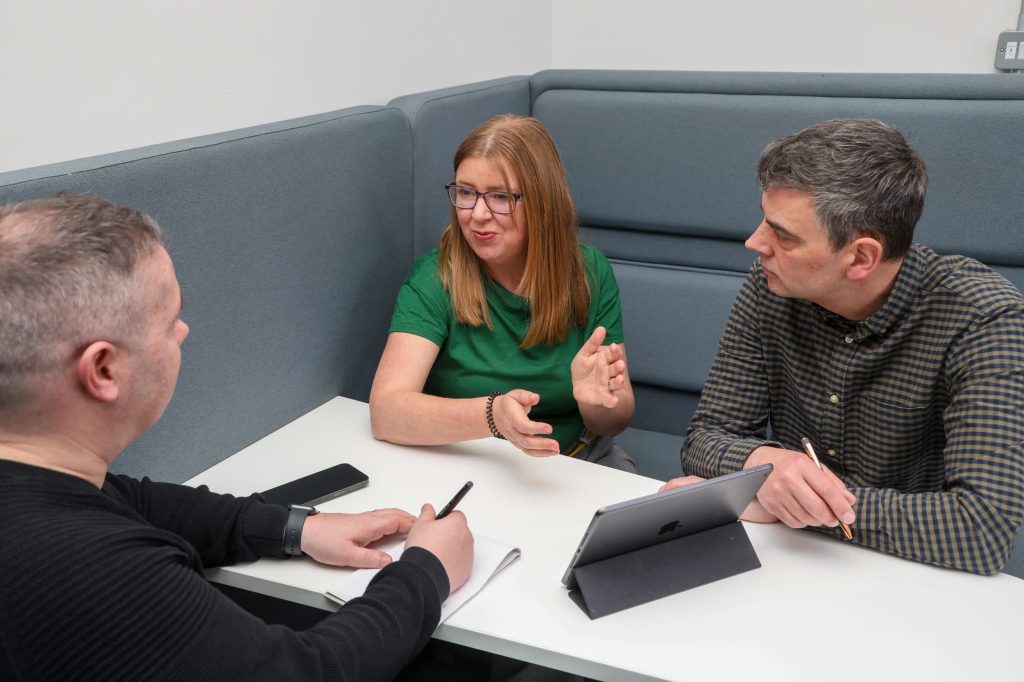
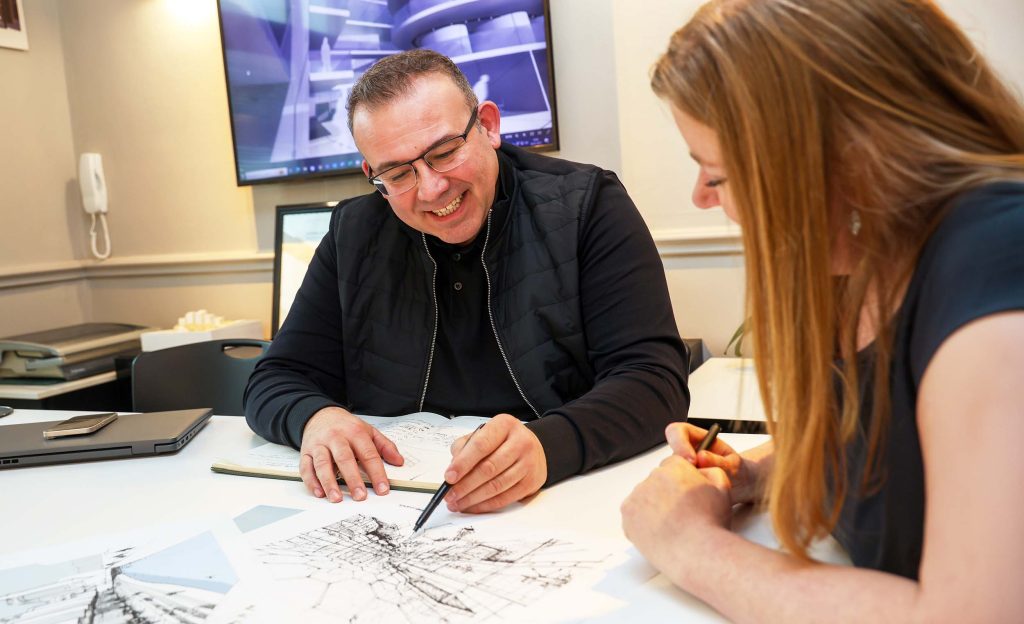
This does not only mean events, although events play an important role. Experience is every meaningful interaction someone has with your business: the first conversation, the way a proposal is presented, how responsive you are when priorities change, what it feels like to work with you when things are busy or uncertain.
These touchpoints shape perception far more than slogans or campaigns. A client will forget the wording of your homepage long before they forget how you handled the moment something nearly went wrong. The texture of those interactions is what people carry with them, and what they describe to others when your name comes up.
Experience led marketing focuses on quality over volume. It prioritises touchpoints that reassure, surprise or genuinely help rather than constant visibility. The question stops being ‘how often are we in front of people’ and starts being ‘what is it like when we are’.
In practice, this looks like
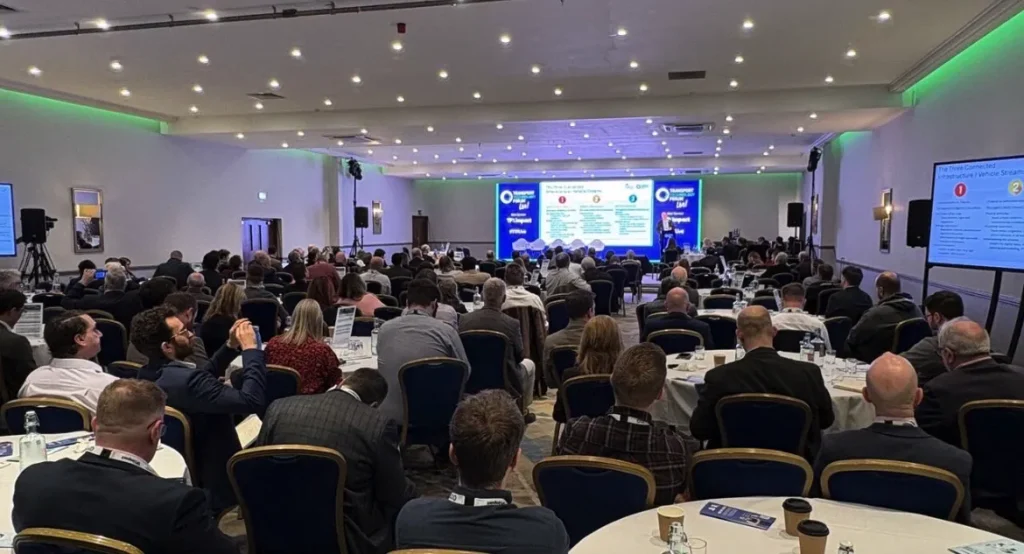
- Thoughtful events, roundtables or smaller gatherings where conversation matters – a well-chosen room of fifteen people who leave having had a useful exchange will do more for a brand than a webinar with five hundred passive attendees.
- High touch customer service that feels personal rather than procedural – the difference between a templated reply and a considered one is small in effort and significant in perception. People notice when they are being processed, and they notice when they are not.
- Clear, well considered communication at moments that matter – onboarding, proposals, follow ups, the email that lands after a difficult conversation. These are the moments where care is most visible, and where the absence of it is most damaging.
- Hybrid journeys that feel joined up rather than fragmented – people move between channels constantly: a LinkedIn post, an email, a phone call, an event, a follow up. The experience should hold together across all of them, so the brand feels like one consistent thing rather than several disconnected ones.
Why experience compounds
Experience is one of the few marketing investments that genuinely compounds. A good campaign runs and ends. A strong experience embeds itself in the way clients describe you, refer you and remember you, and that effect continues long after the interaction itself.
When an experience feels good, it tends to perform well commercially. People talk about it, they remember it and they return to it, and because experience is the hardest channel to fake, it becomes the channel people trust most. Anyone can write a confident piece of copy, far fewer brands can deliver on it when the moment comes.
In 2026, experience becomes one of the strongest differentiators a brand can create, not because it is novel, but because so few businesses treat it as a channel in its own right.
Why this matters more for SMEs
Smaller teams are closer to their customers which means decisions are faster and relationships are more personal. The opportunity in 2026 is to treat this not as an operational reality but as a strategic strength.
Larger competitors often cannot match the quality of experience an SME can offer without significant investment in process and people. The person picking up the phone is closer to the decisions that shape the work. The proposal can be written specifically for the prospect in front of you rather than assembled from a library. The follow up can be genuinely considered rather than automated.
This is an advantage that is easy to lose as a business grows, which is why making it deliberate now matters. The experience clients have with you in the early years sets the standard they will hold you to later and is often the reason they stay through periods of change.
Where content and campaigns still fit
None of this is an argument against producing content or running campaigns. Both still play an important role in getting in front of the right people in the first place. The point is about what does the work once the relationship has started.
Content brings people in while experience decides whether they stay. The two are not in competition, but the brands seeing the strongest results are the ones investing in both and being honest with themselves about which one is doing the heavier lifting at each stage of the relationship.
The takeaway
Messages travel and experiences last. The brands building real preference over the next few years will be the ones that have stopped treating experience as something that happens around the marketing and started treating it as a channel in its own right.
This shift does not require a bigger budget. It requires attention to the moments that already exist in your business and a decision to make them count: the proposals you send anyway, events you attend anyway, conversations you have anyway. Each one is already shaping how your brand is perceived – the question is whether you are shaping them in return.
Next in the series: Ensure values are visible through behaviour.
Get the 2026 Human Centred Marketing Playbook
In 2026, the challenge is no longer access to tools or tactics. It is earning attention, building trust and making clear, confident decisions in crowded markets.