

When I started in highways, I used to sit in conversations and nod along with a level of false confidence. People would talk about VAS, SIDS and signage regulations, and I would nod, smile and wait until I was back at my desk to quietly google what any of it meant. This, I have come to understand, is a completely normal part of learning an industry that nobody ever actually teaches you about.
There is no GCSE in highways infrastructure, no school careers assembly where someone explains what a traffic management company does or why street furniture matters, or what a highways authority is responsible for. You find all of that out when you’re already in it, surrounded by people who have been doing it for twenty years and occasionally forget that you haven’t.
We’re all taught basic road safety growing up – the green cross code, what traffic lights mean, why you don’t step out between parked cars. But nobody ever explains what’s behind any of it; who designs the signs, who decides where a crossing goes, who maintains the systems that keep roads moving safely or what it actually takes to make infrastructure work at the scale it does. The entire industry responsible for making roads safer exists largely invisibly to the people who use them every day, until people end up working in it.
The learning curve in highways is steep but six months in, you look back and can’t quite believe how much ground you’ve covered.”
Speaking the highways language
Every industry has its own language and highways is no exception, except that the language here comes with a particularly wide vocabulary of acronyms, technical terms, and product names that mean nothing until someone takes the time to explain them.
A single meeting can introduce multiple new terms I’ve never heard before and I find myself mentally filing away things to look up later while keeping up with the conversation. What helped more than anything was asking. It sounds obvious but asking questions in a room full of experienced people when you’re the newest and youngest person takes a certain amount of willingness to look like you don’t know things. The thing I learned quickly is that people in this industry don’t just tolerate questions, they actively enjoy answering them. There’s a genuine enthusiasm for the work that means most people are more than happy to explain what something is, how it works, and why it matters.
Most of it is learned on the job
The real education in highways happens in the doing of it – in the meetings, the site visits, the events and the conversations that build up over time into something that starts to resemble actual understanding. You learn what a product does by seeing it demonstrated and how a process works by being part of it. You learn the industry by being in it, and there is no shortcut to that.
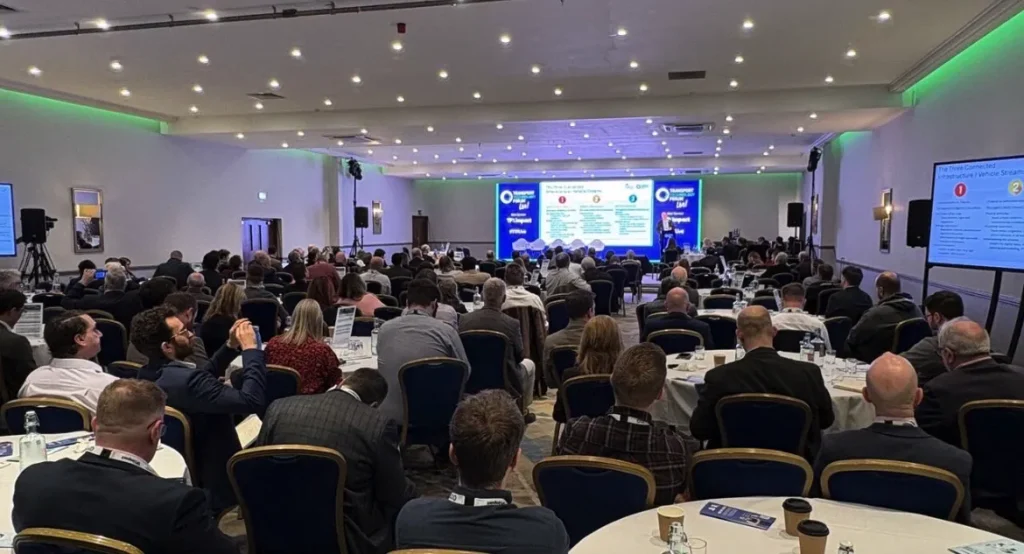
Last week I attended a demonstration day hosted by NAL, in partnership with Westcotec, at NAL’s National Infrastructure Centre in Worcester, and it was exactly the kind of day that accelerates that learning in a way that simply just reading never quite can. The day covered everything from retention sockets and universal foundation systems that allow street furniture to be removed and reinstalled without additional excavation, to Westcotec’s range of speed and warning signs, flood warning systems, and collision avoidance technology. Seeing it demonstrated live, and having the chance to actually talk it through with the people behind the products makes it stick in a way that reading a product brochure simply doesn’t.

Days like that are CPD accredited for a reason, the learning that happens in a room full of people who are genuinely passionate about what they’re showing you is a different kind of learning to anything you get in a formal setting. I came away understanding things I hadn’t known that morning, which sounds like a low bar but is actually exactly what you want from a day out of the office.
The small wins add up
There’s a particular feeling that comes with realising you’ve understood something that would have gone completely over your head six months ago – a conversation you can follow without googling anything afterwards, a product name you recognise, a process you can explain to someone else without having to check your notes first. These things happen gradually, and they’re evidence that the learning is actually landing, that the industry is starting to make sense in a way that it didn’t when you first arrived in it.
The confidence that comes with that is quiet but real, and it builds on itself in a way that makes each subsequent conversation a little less daunting and each new piece of knowledge a little easier to absorb, because you have more to connect it to than you did before.
You don’t need to know everything to start
The thing nobody tells you about entering an unfamiliar industry is that you don’t need to arrive knowing it, you just need to arrive willing to learn it, and to keep asking questions long after the point where you feel like you should probably know the answer already. The people who have been in highways for decades didn’t start out knowing it either, and most of them seem to remember that which is part of what makes the industry as welcoming as it is.
I had a conversation recently with someone my own age about work experience in the industry, and the first thing she asked was, “I don’t know anything about the highways industry, would that be ok?” And I think that question says everything about why this blog exists. The not knowing isn’t the barrier people assume it is, it’s just the starting point, the same one everyone else in this industry started from too.
See you in the next one!