

Every time I tell someone new what I do, without fail, they ask me what that actually means. The pause that follows my answer tells me everything. I say, “I work in highways” and I can almost see them picture a man in a high-vis jacket filling in a pothole. Which, to be fair, is a completely understandable image because nobody really talks about what goes on behind the scenes in this industry.
The perception of highways tends to start and end at road maintenance. People know the roads need managing, they know there are traffic cones and contractors and the occasional stretch of the motorway that seems to always be under construction. But the actual breadth of the industry, and the range of people who work in it, is largely invisible from the outside.
That invisibility is exactly why I started writing this series. And it’s also why this particular question “but what do you actually do?” is worth answering properly.
What it actually is
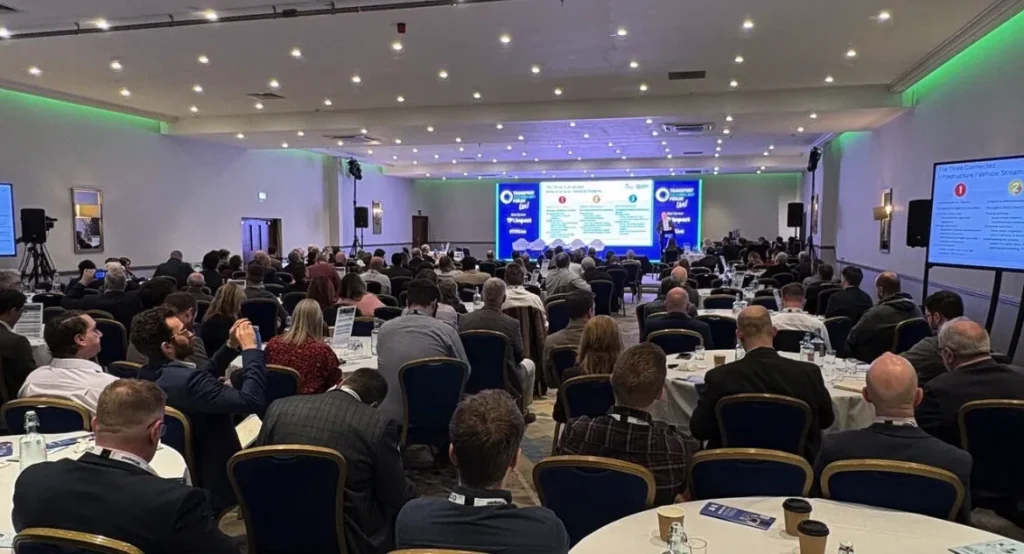
I work in marketing for Boundary Marketing & PR, an agency that specialises within the highways sector. So, day to day, that means writing content, managing social media, developing campaigns, supporting clients with communications strategies, and attending industry events – among plenty of other things that don’t have a neat one-word label.
But the highways industry itself is so much bigger than I understood when I first started. It includes everything from road design and construction to traffic management, road safety, smart motorways, active travel schemes, and the technology that keeps all of it moving. The contractors, consultants, suppliers, local authorities, and national bodies that make up the industry touch almost every aspect of how people move around the country.
The variety no one expects
That variety is something I don’t think gets communicated well enough to people outside the industry. If you’re not drawn to engineering or construction, which is what most people assume highways requires, it can feel like the sector isn’t for you. But the reality is that highways needs communicators, strategists, creatives, and analysts just as much as it needs civil engineers.
From my side of it, working in marketing for a highways-specific agency means I’ve had to get my head around an industry I’d never thought about before – the terminology, the key players, the contracts, the challenges. It’s a steep learning curve, but it’s also meant I’ve built up a level of niche knowledge that I genuinely didn’t expect to have at this stage of my career.
So why does it matter who knows?
If I’m honest, the easier thing to do is give the short answer. ‘I work in marketing’ and move on. Most people are satisfied with that, and explaining the full picture takes longer than most conversations allow. But the short answer is part of the problem. This industry is hiding in plain sight. The roads are there every single day, the infrastructure that keeps the country moving is right in front of us and yet the people, the careers, and the conversations happening behind it are almost completely invisible to anyone not already in it. That needs to change. Not just for the sake of recruitment, but because an industry that shapes how we all live and move deserves to be understood by more than those already working in it.